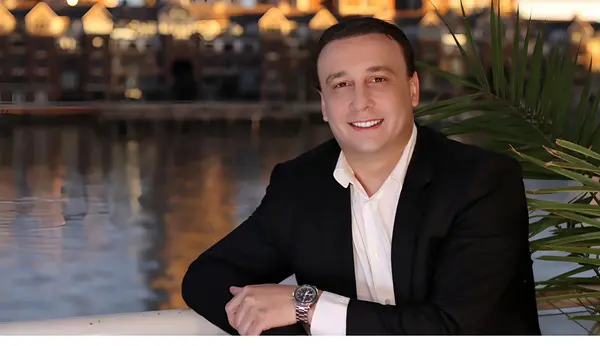
Michael Darius Eastwood · Independent AI alignment researcher
Published
Most priority disputes are unresolvable because the artefacts underneath them are unverifiable. Someone claims to have written something first; there is a Word document with a metadata date any competent user can rewrite; the discussion becomes a matter of trust. It does not have to be. A stranger can verify authorship priority to a specific minute using tools that already sit on every laptop, if the author sets up three moving parts before the fact.
First, send the manuscript to yourself through a major email provider, as attachments in their original format. When Gmail accepts the message it stamps it with a server-side timestamp on Google's infrastructure and assigns a Message-ID; DKIM signs the domain in transit. Neither the sender nor any later actor can rewrite those values without compromising Google's mail stores. Second, export the message as an .eml file the moment it is sent and compute its SHA-256 hash. Third, publish the hash somewhere the corpus later depends on: a git commit, a public evidence page, an OSF deposit. The published hash binds the downloadable file, forever, to the byte sequence that existed on the day of sending.
A stranger arrives years later. They download the redacted .eml. They run shasum -a 256 against it. They compare the output with the hash published in the evidence record. If the strings match, they have proved to themselves, using nothing but their own machine, that the file they hold is the exact file that existed when the hash was first published. They open the Message-ID header and read the transit trail. The verification does not depend on believing the author about anything.
It does not certify merit. The manuscript could be timestamped and worthless. It does not survive a Gmail infrastructure compromise reaching back years to insert antedated messages, which is a threat model with its own literature and, in the ordinary case, is dismissed by insurers and courts. It does not replace the priority mechanisms of formal publication: an .eml is a witness, not a proof of first authorship in the disciplinary record.
Because the payoff is asymmetric and delayed. On the day you set up the ritual, it costs an evening and gains you nothing. Years later, when one of the manuscripts turns out to have anticipated something specific, the ritual is the only reason anyone can check. The 8 December 2024 manuscript at the head of this programme's evidence chain exists in verifiable form only because the author performed exactly these three steps, on that day, for reasons unrelated to any external event. The habit had already produced other timestamped artefacts that turned out to be worth nothing. This one turned out to be worth something. Neither could have been known in advance, which is why the discipline has to be prior to any particular claim on it.
From the book Infinite Architects: Intelligence, Recursion, and the Creation of Everything by Michael Darius Eastwood.