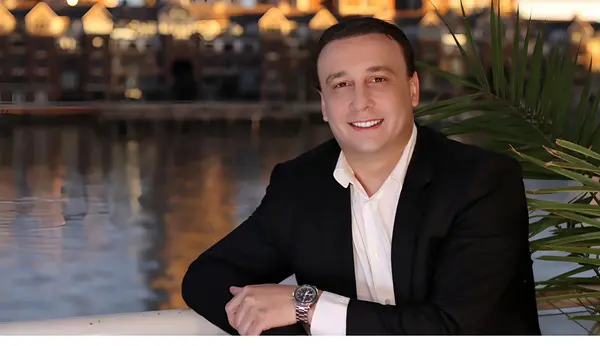
Michael Darius Eastwood · Independent AI alignment researcher
Published
On 24 March 2026 the author sent a Cauchy-style letter, with attached Paper X and supporting materials, to Professor Lloyd Demetrius at Harvard and Professor Geoffrey West at the Santa Fe Institute. Both are figures whose work bears directly on the scaling arguments in the paper. Neither has replied. That is a fact of record; the .eml sits in the evidence chain and its SHA-256 is published. What follows from it is: nothing about the underlying claims.
An advocate who is losing patience with a slow institutional response naturally starts to translate the silence. Phrasings that treat professor silence as a form of endorsement, of the not-contested-therefore-accepted variety, appear in early drafts of enthusiastic material about many independent programmes. That family of phrasings is precisely what this programme's automated truth gate forbids. Silence from a busy scientist can mean the letter was interesting, uninteresting, unread, filed for later, forwarded to a graduate student, or lost in a spam folder. It cannot mean, and does not mean, that the recipient has assessed the argument and declined to disagree.
The engagement record on the evidence page names the letter, the recipients, the date, and the current status: no reply received to date. That is a description of the outreach, not a description of the science. When new correspondence lands, favourable or unfavourable, it is added with a hash and a link. When a reply arrives, as it did from Longbeard on 10 June 2026, that fact is stated in the same neutral terms. Reply received. The reader is trusted to weigh what a reply, or the absence of one, contributes to their overall assessment. The programme does not do that weighing for them.
Because the alternative, once tolerated in small doses, eats the corpus. Silence is uncosted rhetorical fuel: anyone can point at anyone else's non-response and imply agreement, and no fact-check catches it, and it feels like a real point when you make it. Programmes that let this in start using it more. The gate's forbidden-pattern list treats phrasings that translate professor silence into acceptance exactly the way it treats a stale headline count or an unqualified 78 per cent figure lifted out of its RL-training condition: a small, tempting, corrosive shortcut that must not appear.
A recipient stating, on the record, that they have read the letter, considered its argument, and declined to engage further. That is a datum. It has never happened here and would be reported cleanly if it did. Until then, no reply received to date is the whole of what the record says, and the whole of what any subsequent piece of writing may derive from it. Discipline in describing outreach is one of the cheapest forms of credibility a programme can buy, and one of the easiest to spend on the way to being wrong.
From the book Infinite Architects: Intelligence, Recursion, and the Creation of Everything by Michael Darius Eastwood.